Two Poems on Poetry

I love reading writers on writing — interviews with authors about how they work, where they work, why they write, and so on. The Guardian has a series on writers’ rooms that I love to pop into now and again; here’s Seamus Heaney’s.

This week I’m reading two very different poems about poetry and writing poetry. Charles Wright is the current United States Poet Laureate; his poem “Reunion” is short, and very personal. He ends the poem with,

I write poems to untie myself, to do penance and disappear
Through the upper right-hand corner of things, to say grace.

Archibald MacLeish’s “Ars Poetica” is a playful, self-contradictory riff on Horace’s famous work of the same name, a set of guidelines for the crafting of poetry. In his rather famous and formulation,

A poem should not mean
But be.

What are your favorite poems about poetry?


Two notes from the poetry world:

Apparently a treasure-trove of lost Neruda poems has been found. (The Guardian)

Charles Simic’s tribute to his friend Mark Strand is wonderful, moving, human. (NYRB)


Fast Read: Dirty Chick, by Antonia Murphy

photo (3)In a late episode of The West Wing, Toby asks a senator what she’d like to do if she weren’t politicking. “I’d grow apples,” she says.

The first time I saw that scene, a lightbulb went off. That’s what I’d like to do too, if I weren’t writing and reading, and if I had a propensity related to green things that didn’t involve killing them. (Although I like to think that this year I’ve progressed to benign neglect.) Someday I fully intend to (a) buy a house and (b) turn half said house’s backyard into a garden, which will (c) necessitate the acquisition of many, many gardening books. Doesn’t that work out nicely?

Anyway, you’ve perhaps noted that my agricultural ambitions involve only flora, not fauna, and if you’re wondering why, look no further than Antonia Murphy’s Dirty Chick*, a funny, brash, and often gross memoir of her foray into farm life.

Like many of us who saw The Lord of the Rings, Antonia Murphy thought that New Zealand looked like a pretty great place to live. Unlike many of us who saw The Lord of the Rings, she actually moved there.

Rural New Zealand, in her account, certainly has its charms — beautiful countryside, interesting and friendly neighbors, an abundance of fruit with which to make homemade wine — but it’s still a whole new world for an American free spirit with a penchant for embellished headbands and animals that look cute (at first).

Dirty Chick is a zany romp through Ms. Murphy’s first year in Purua with her family, as she deals with grumpy alpacas, a renegade cow, too many maggots, goat medical emergencies, a flock of chickens, and moldy cheese (that last one is a good thing). At the same time, the family adjusts Ms. Murphy’s son’s developmental delays, hoping that life in Purua and the quality of its local school will help him thrive. Ms. Murphy’s obvious dedication to her son, her family, her friends, and her animals is endearing and wonderful to read about.

Dirty Chick is not for the squeamish, those offended by profanity, those with an oversensitive gag reflex, or those who prefer their romantic dreams of artisan farming unshattered (if you don’t believe me, just read the prologue, which involves goat placenta). But if you’re looking for a taste of farm life without the work, a book that will make you laugh every few pages, and an author whose wine recipes you’d love to ask for, and who you’d like to raise a glass with, Dirty Chick is for you. (On that last one: just don’t look in Antonia Murphy’s purse.)

*I received a review copy of this book from the publisher for review consideration, which did not affect the content of my review.

Recommended Reading: Why Homer Matters, by Adam Nicolson

photo 1I wish I’d read this intriguing book before I picked up the Iliad for a re-read last year (lucky for me, I have the Odyssey still to go on my Classics Club list). Adam Nicolson’s Why Homer Matters* (published in the UK as The Mighty Dead: Why Homer Matters) is difficult to classify, genre-wise; it is part travelogue, part literary criticism, part history, part ethnography, part memoir. It’s beautifully written, for Mr. Nicolson deeply cares about his subject and its place in civilization:

This is also a book about epic poetry, and about the value of epic in our lives. Epic is not an act of memory, not merely the account of what people are able to recall, since human memory only lasts three generations [. . .] Nor is it a kind of history, an objective laying out of what occurred in a past to which have little or no access. Epic, which was invented after memory and before history, occupies a third space in the human desire to connect the present to the past: it is an attempt to extend the qualities of memory over the reach of time embraced by history. Epic’s purpose is to make the distant past immediate to us as our own lives, to make the great stories of long ago beautiful and painful now. (3)

The foundational belief of the book is that “Homerity is humanity” (31). Its specific premise is its author’s belief that Homer arises out of a meeting of two cultures: nomadic steppe warriors from north of the Black Sea, and city-based, literate, hierarchical Mediterranean societies. In Mr. Nicolson’s formulation, this clash or melding of worlds occurred around 2000 B.C.; for him, then, Homer’s origins are about a thousand years older than those ascribed to the poems by modern scholarship.

It’s a fascinating idea, but what matters more than its veracity is the way in which Mr. Nicolson illustrates his arguments. His travel has been extensive, and his descriptions of what he sees, at home and abroad, are full of evocative detail. In a bay in Scotland, for instance, “the seawater itself is green with the reflected woods, an ink of molten leaves and boughs” (36).

While I’d say the book leans more toward discussion of the Iliad, Mr. Nicolson, a keen sailor, is just as interested in the Odyssey. Here’s how he describes the relation of the two poems:

The Iliad is soaked in retrospect. The Odyssey, the twin and pair of it, is filled with heroic adventurism and the sense of possibility, as if it were an American poem and the Iliad its European counterpart. [. . .] where the Iliad is a poem about fate and the demands that fate puts on individual lives, the inescapability of death and the past, of each of us being locked inside a set of destinies, the Odyssey, for all its need to return home, consistently toys with the offer of a new place and a new life, a chance to revise what you have been given, for the individual—or at least the great individual—to stand out against fate. (64)

Put another way, “the Homeric condition” is “the Odyssean promise of delight enclosed within the Iliadic certainty of death” (71).

This book is steeped not only in knowledge of the ancient past, but in the more recent literary canon. Take, for example, Mr. Nicolson’s exploration of how the mines in southern Spain might relate to the poem; his description of the “toxic spoil” of the landscape (132) is chilling, filled with images and sounds and tactile effects. It is a portrait of Homer’s Hades:

There is a sense of transgression at Chinflón, a feeling that the this place was once alive and that the miners hacked at its life, as if they were hunting it, digging out its goodness, a form of rough and intemperate grasping, the masculine dragging of value from a subterranean womb. (134)

Consciously or not, I think Mr. Nicolson is channeling the description of another kind of Hell: one that belongs to Mammon and the other demons in Milton’s Paradise Lost:

Mammon led them on,
Mammon, the least erected Spirit that fell
From heav’n, for ev’n in heav’n his looks and thoughts 
Were always downward bent, admiring more
The riches of Heav’ns pavement, trod’n Gold,
Then aught divine or holy else enjoy’d
In vision beatific: by him first
Men also, and by his suggestion taught, 
Ransack’d the Center, and with impious hands
Rifl’d the bowels of their mother Earth
For Treasures better hid. Soon had his crew
Op’nd into the Hill a spacious wound
And dig’d out ribs of Gold. (PL I.678-90, emphasis mine)

It’s this kind of engagement, with both landscape and literature, that makes Why Homer Matters so endlessly interesting.

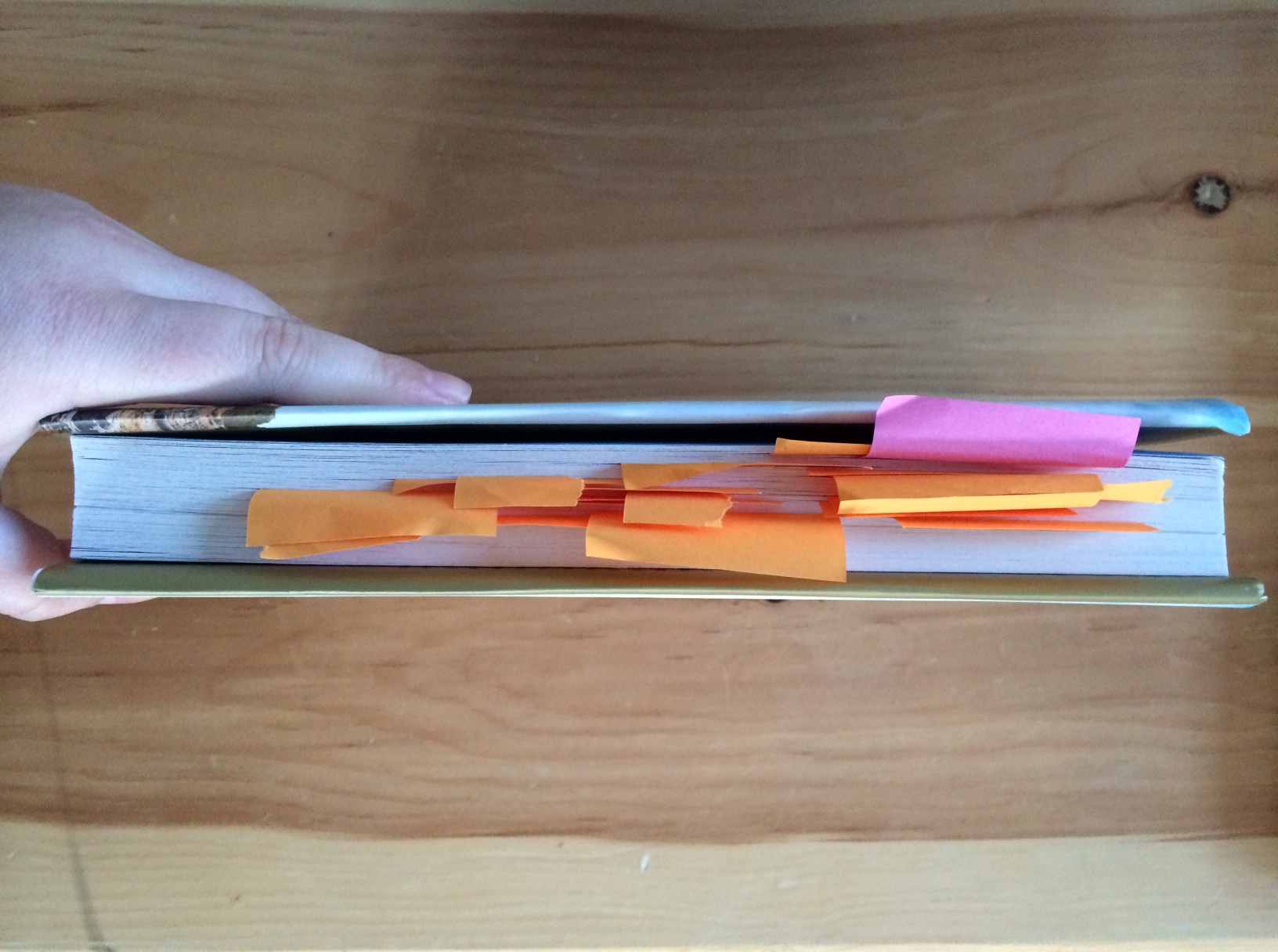
As you can see from the picture below, there were many passages that I found especially fascinating or moving, too many to reproduce here. However, for my reader who finds poetry to be a “difficult concept” (as a Vulcan might find humor), here’s an excellent way to think about poetry, especially epic poetry: “Epic is different from life. The present moment might be seen as a blade, cutting the past from the present, severing now from then, but poetry binds the wounds the that time inflicts” (102).
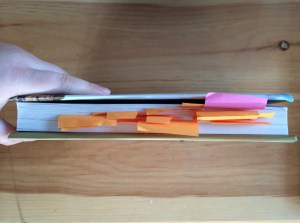
photo 2

This is a book that wanders, but never rambles; that contends, but refuses to be bogged down in certainty; that is erudite, but not didactic. It’s a book deeply interested in both the concreteness of place and the protean possibilities of language. To turn the pages of Why Homer Matters is to be transported. Highly recommended reading.

*I received a copy of this book from the publisher for review purposes, which did not affect the content of my review.


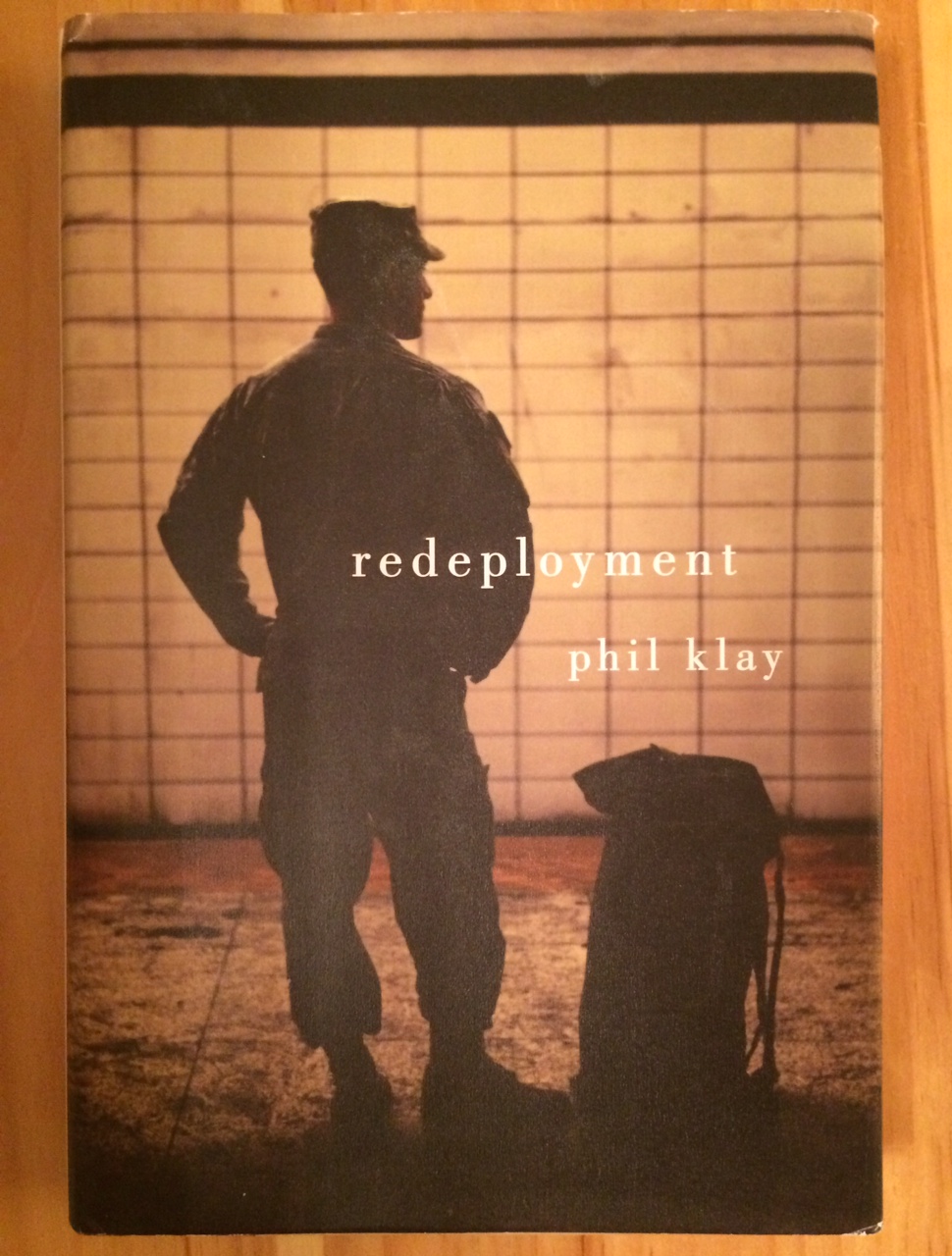
Recommended Reading: Redeployment, by Phil Klay

photo (4)

“Somebody said combat is 99 percent sheer boredom and 1 percent sheer terror. They weren’t an MP in Iraq. On the roads I was scared all the time. Maybe not pure terror. That’s for when the IED actually goes off. But a kind of low-grade terror that mixes with the boredom.”

–“After Action Report” in Redeployment* (42)

Chances are that you’ve heard about Redeployment, Phil Klay’s collection of short stories that recently won the National Book Award; it’s the best known of the books (fiction, that is) that are coming out of the wars in Iraq and Afghanistan, and after I read it, I decided that I should read more of them.

On his website, Phil Klay writes, “It’s not that there’s one thing I want people to understand about this war so much as I want people engaged with it. If you’re an American citizen, it’s your war. It’s not the soldier’s war, or the Marine’s war. The soldier and the Marine do not issue themselves orders.” (It’s a point he also made on the penultimate episode of The Colbert Report; you can watch the clip here.)

Though I’ve met veterans of the wars, I do not know any of them well enough to ask about their experiences; writing —fiction, nonfiction, journalism— is the most accessible way for me to approach the wars, and maybe it is for you too. I haven’t done enough to understand veterans’ experiences, but reading Redeployment was a small step in the right direction.

The twelve narrators in the meticulously-researched Redeployment include a chaplain, a Mortuary Affairs officer, an artillery specialist, and an infantryman who’s just returned home. None of the narrators stand in for Mr. Klay himself (he was a public affairs specialist in the Marines), but all are compelling, flawed, admirable in their own ways, and deeply changed by their time in Iraq. Their stories are unforgettable, often brutal, and impossible to put down.

The book doesn’t have a political agenda; it’s neither pro- nor anti-war, which is, I think, what makes it so powerful. As the narrator who’s a chaplain says, “nobody expects sainthood, and it’s offensive to demand it” (150). Mr. Klay has set out to show the stark realities of modern war and the gray places in human nature, all while giving civilians a glimpse of the desperate hardships endured by soldiers.

If you’ve read Redeployment and are looking for new fiction about the wars in Afghanistan and Iraq, there are several books coming out in 2015 that may pique your interest, like Elliot Ackerman’s Green on Blue,  Jesse Goolsby’s I’d Walk with My Friends If I Could Find Them, John Renehan’s The Valley, and Christopher Robinson and Gavin Kovite’s War of the Encyclopaedists, among others. I’ll definitely be reading at least one of these in the next few months.

Here are links to organizations that help soldiers and veterans and their families, which you might consider donating to:

Greater Cleveland Fisher House

Yellow Ribbon Fund

Intrepid Fallen Heroes Fund

Books for Soldiers (h/t My Book Strings)

Wounded Warrior Project (h/t commenter Ripley)

*I received a copy of this book from the publisher in a giveaway, which did not affect the content of my review.

Recommended Reading, Christmas Edition: Letters from Father Christmas, by J.R.R. Tolkien

photo (1)If you’re looking for the perfect Christmas book—and maybe inspiration to write the small people in your life some larger-than-life letters—look no further than Tolkien’s Letters from Father Christmas. 

I’ve had my eye on this book for a long time, but the number of editions and their varying states of completeness put me off buying it until this year, when I came across what I think is the best edition out there: the HarperCollins hardcover edition published in the UK in 2012 (my copy came from the Book Depository). The only thing that could make it better? Bigger pages.

In this collection, edited by J.R.R. Tolkien’s former secretary (and his daughter-in-law) Baillie Tolkien, you’ll find over twenty years’ worth of correspondence from Father Christmas (with interpolations by the North Polar Bear and later notes from the Elf secretary Ilbereth) to the Tolkien children. What’s especially wonderful is that the transcriptions of the letters are accompanied by facsimiles of the letters, envelopes, and drawings themselves, so you can revel in Father Christmas’s shaky writing, the Polar Bear’s hilarious marginal commentary (and goblin alphabet!), and the beauty of Tolkein’s drawings.

You’ll find tales of mischief and eleventh-hour turnarounds, reindeer on the loose, and lots of firecrackers in these pages, and something more, too—a record of the joys and interests of the Tolkien children, and their father’s sadness at the woes of the world around them. The Depression and the Second World War do not go unnoticed, but Father Christmas’s reassurance that hope and light will return again is touching and poignant, and a good reminder for our own times.

Highly recommended reading for parents, children, Tolkien fans, and anyone who’s looking for Christmas cheer.

Two Poems for Knitting

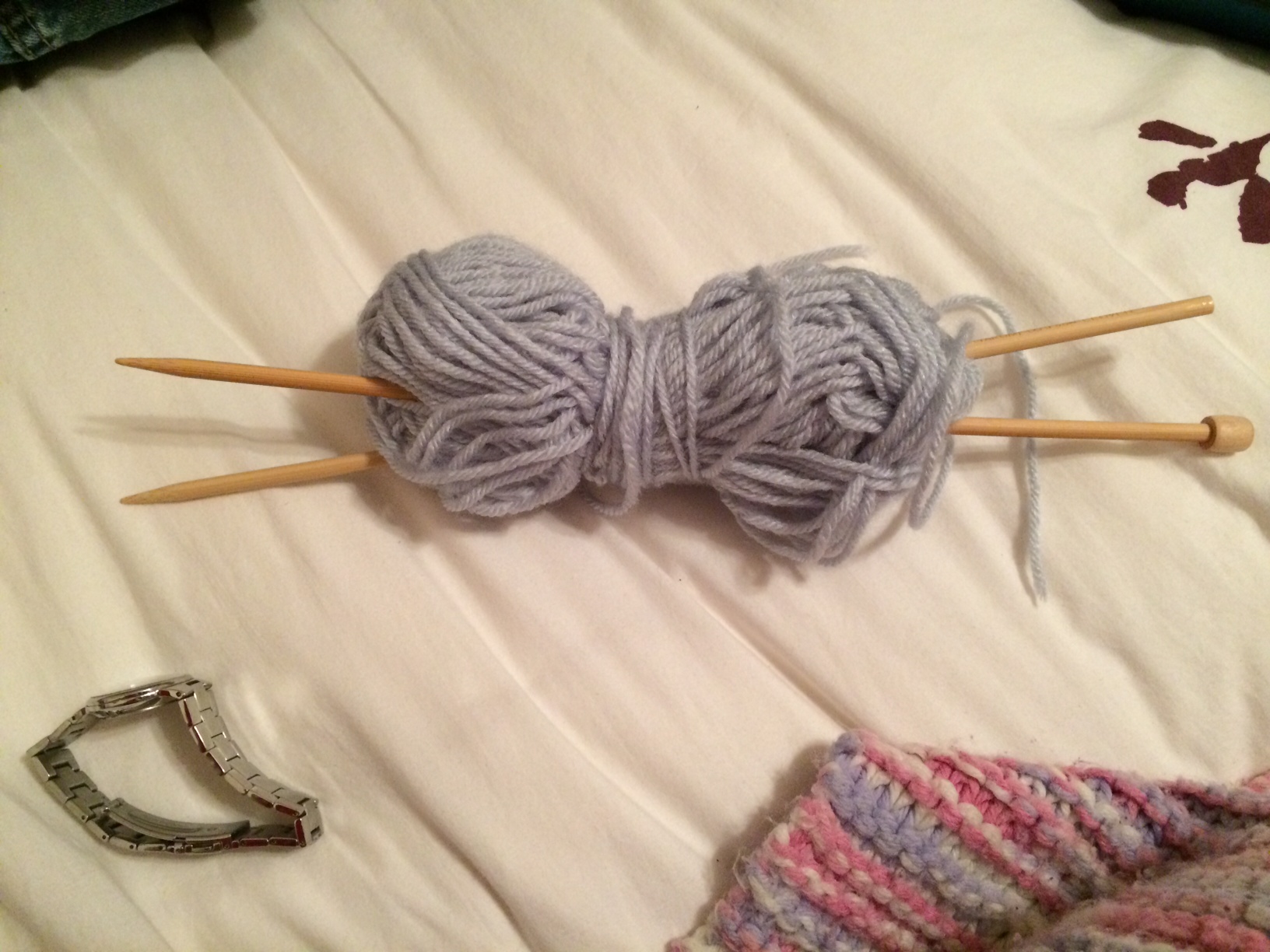
photoIn late November and into December, I often find myself knitting at night, rushing to catch up with projects destined to become Christmas presents.

I am not a very skilled knitter; I can make rectangles (scarves, small blankets) and things that can be made out of rectangles (leg warmers, arm warmers, bags, vastly oversized laptop covers . . . ). I can’t cable, use double-pointed needles, read a pattern, or reliably tell you what a slip-stitch is. Though I was taught by a talented and generous knitter, I am fairly sure that I’m holding the yarn the wrong way.

Still, I love knitting. I like seeing yarn curved and curled into something new and useful (well, mostly useful), and the sense of satisfaction that comes from weaving in the yarn ends on a scarf or a baby blanket. I’m not good enough that I can take my eyes off the work, so I usually knit while listening to a movie or TV show I’ve seen ten times before and chatting with my husband. It’s all very companionable.

Anyway, today I went looking for poems that talk about knitting, and I found a few; here are my two favorites.

The first, Ciarán Carson’s “The Fetch,” is just wickedly cool (that’s a technical term, by the way); it’s about waking, dreaming, loss, the sea, and distance, and features a nice Dickens reference, too. It’s so good I’m putting his book For All We Know on my Christmas wish list.

The second poem links knitting and waves as well. “A simple co-creator, I trust in simple decorum,” says the speaker of Cory Wade’s “Knitting Litany.” An incredibly skilled knitter, the speaker conjures a list of flora and fauna that descend from her needles, and imagines the waves she builds and builds.

Now, who’s going to teach me how to crochet?

The Rosemary and Reading Glasses Holiday Gift Guide (Because it was inevitable, wasn’t it?)

Dear Readers,

Last year I recommended non-book gifts for readers, and while those recommendations hold, I thought I’d recommend real live books this year.

Now, 2014 hasn’t seen one everybody’s-buying-it-even-if-they’re-not-reading-it hit like The Goldfinch (I myself got if for Christmas, and absolutely want to read it, I swear), but there have been a few high-profile books that have made the rounds of the top-10 and best-of lists (looking at you, The Martian, All The Light We Cannot See, Everything I Never Told You, The Book of Unknown Americans). Three cheers for those books and their authors!

But let’s branch out, shall we?

Fiction for Poets

Katy Simpson Smith, The Story of Land and Sea

Lindsay Hill, Sea of Hooks*

Howard Norman, Next Life Might Be Kinder

Something’s Up, and You Won’t Be Able to Put the Book Down

Kate Racculia, Bellweather Rhapsody

Rebecca Makkai, The Hundred-Year House

Big Sky and Taciturn Men with Unusual Names

Malcolm Brooks, Painted Horses

Kim Zupan, The Ploughmen

Lin Enger, The High Divide

Fabulous Tales, Re-Told

Helen Oyeyemi, Boy, Snow, Bird

Alexi Zentner, The Lobster Kings

Historical Fiction: Colliding Worlds

Laila Lalami, The Moor’s Account

Joseph Boyden, The Orenda

Women at War

TaraShea Nesbit, The Wives of Los Alamos

Laird Hunt, Neverhome

Worlds You Can’t See, Worlds You Don’t Want to See

Emmi Itäranta, Memory of Water

Sharona Muir, Invisible Beasts

Chris Beckett, Dark Eden

Poetry for Everyone (Everyone, Read More Poetry)

Hailey Leithauser, Swoop*

Saeed Jones, Prelude to Bruise

Mark Wunderlich, The Earth Avails

Charlotte Boulay, Foxes on the Trampoline

Books in Translation

Kyung-sook Shin, I’ll Be Right There

Elvira Dones, Sworn Virgin

In Which Letters Play a Part

Simon Garfield, To the Letter

George Prochnik, The Impossible Exile

Books by Authors Famous for Different Books

John Williams, Augustus

Jane Austen, Persuasion**

J.R.R. Tolkien, Beowulf: A Translation and Commentary, Together with Sellic Spell (ed. Christopher Tolkien)

Brilliant and Uncomfortable Reading

Hilary Mantel, The Assassination of Margaret Thatcher

Richard Powers, Orfeo

Coming Up Next: Your Humble Blogger’s Reading Wishlist

*Yes, it came out last year, but I read it this year and it is awesome. So there.

** There is never a bad time to recommend Persuasion.


Recommended Reading: To the Letter and Letters of Note

Dear Readers,

I have mail on my mind. I’ve been—with the help and crayon skills of a small boy of my acquaintance—putting together the annual batch of Christmas/Hanukkah/Solstice/Festivus cards (if you’d like one, blog friends, do get in touch) and reflecting on the very great pleasure a handwritten note can elicit.

Earlier this week, I received an unexpected package in the mail—a note and two extraordinarily thoughtful gifts from a friend who visited this summer. This friend (who is a very private person, and who I’ll call L) happens to be one of the most wonderful writers I know; she thinks deeply and expresses herself clearly, and I’m fairly sure that if she had been born 200-odd years ago, she would have been a real-life Jane Austen heroine.

L writes gorgeous letters via email, but I am afraid that I have been a terrible correspondent, falling off the epistolary train, so to speak. Fortuitously, as this lovely gift arrived, I was reading a book that suggested to me a way to catch the train again: writing letters.

To the LetterSimon Garfield’s To the Letter: A Celebration of the Lost Art of Letter Writing* is one of the most charming books I’ve read in years. Part popular history, part love letter to letters themselves, it’s an entertaining, lively read that will have you reaching for pen and paper by page ten.

Mr. Garfield traces the history of the letter, letter-writing advice, and postal services in general, from the Romans to the twenty-first century, pausing over figures like Madame de Sévigné, Virginia and Leonard Woolf, Erasmus, and Ted Hughes. Examples and illustrations are abundant, but perhaps the crowning gem of the book is the correspondence between Chris and Bessie, two English friends (and also postal workers) who fall in love by post during World War II. Mr. Garfield places a selection of these letters between his longer chapters, approximating the delay that’s part and parcel of letter writing. (I should note that for most of the book the correspondence is one-sided; Chris felt the need to burn Bessie’s letters when he moved billets.)

I highly recommend To the Letter, especially for anyone (ahem) who reads mostly fiction, but would like to read more nonfiction.

Letters of NoteAnd since ’tis the season, friends, I’d also recommend To the Letter as a gift, especially if you pair it with Letters of Note (which I received as a birthday present from my husband—thanks, dear!), a gorgeous, coffee-table kind of book you’ll actually read. Shaun Usher, who runs the website Letters of Note (a Rosemary & Reading Glasses favorite) collects letters old and new, famous and not, and includes photocopies (and transcriptions, if needed) of the missives. It’s glorious.

Anyway, I’ve decided to join the movement to keep letters alive (to a particular uncle: I’m late to the party, I know!)—perhaps you’re already on board? Let me know!

Cordially,

Carolyn

*I received a copy of this book from the publisher for review purposes, which did not affect the content of my review.
“This morning / when the chill that rises up from the ground is warmed”: Linda Hogan’s Dark. Sweet.

Last year around Thanksgiving, I talked at little about Joy Harjo’s “Eagle Poem,” and I think I’d like to make it a tradition on the blog to feature poems by Native American poets during Thanksgiving week.

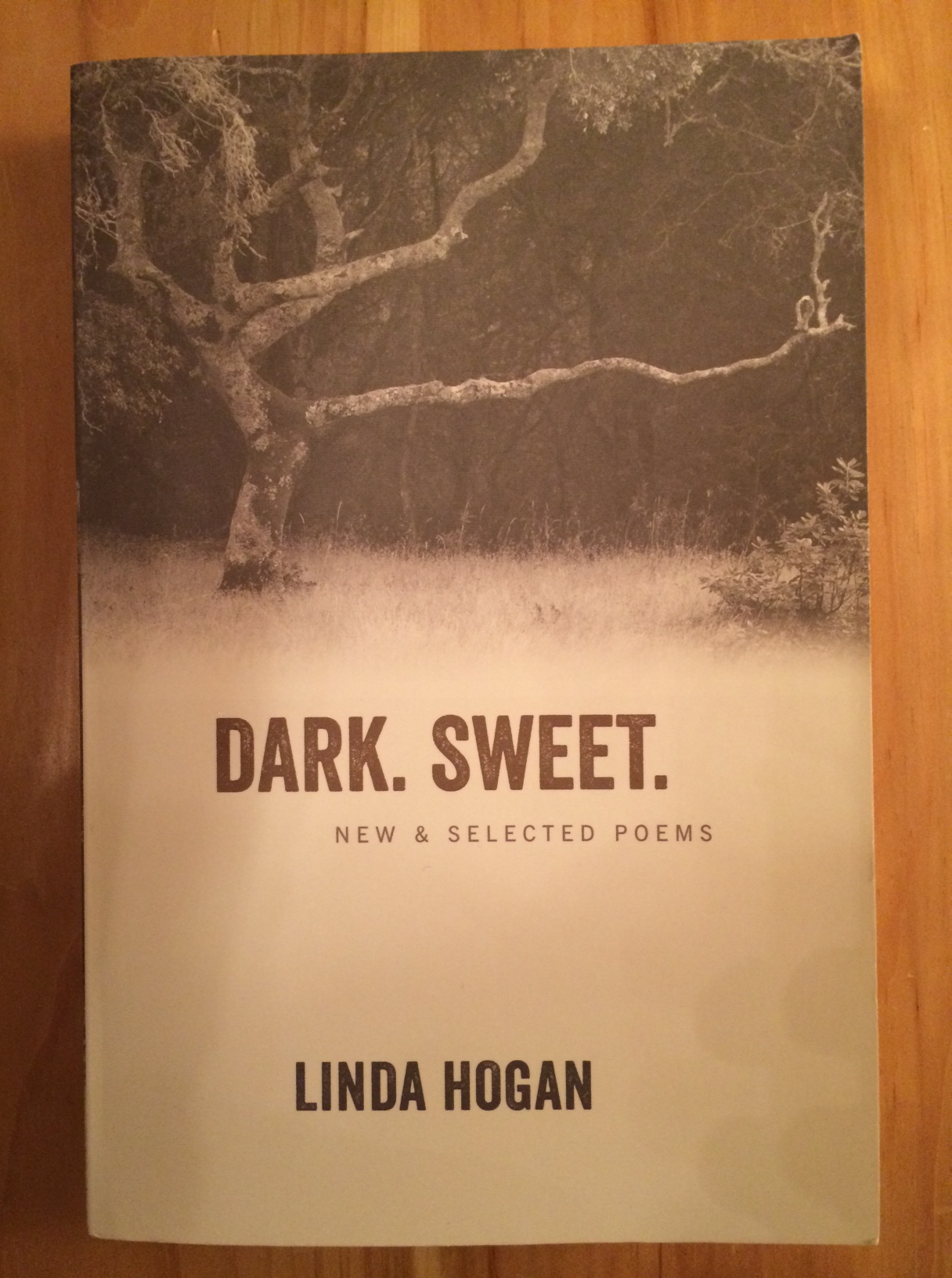
photo (9)I just finished reading Dark. Sweet.*, Linda Hogan’s new and selected poems, and I highly recommend it. Ms. Hogan, a writer and environmentalist, is a member of the Chickasaw Nation, and her poetry reflects both historical and contemporary Native American experience. Her poetry is deeply engaged with nature and personal experience; I loved its lyricism and its emotional engagement. The poems are particularly powerful in they way they capture the tension between the importance of place—rocks, trees, animals, water—and a profound and abiding sense of displacement.

That sense of displacement is evident early in the collection; take the poem “Heritage,” in which the speaker recalls the gifts and images she associates with her family: “From my family I have learned the secrets / of never having a home” (19).

Sometimes a poem drew me in with specific detail, like “Saving,” in which the speaker describes how she, and her mother, and her daughter save things “for good” as my family would say–the clothes that are too nice to wear, the “best towels”—and then expands from the carpe diem note into an exploration of the darkness at the end of each day and the ways we can step out of time.

In “Disappearances,” the speaker recalls traveling with a woman whose “eyes were full”

with the certain knowledge
that it is a good thing to be alive
and safe
and loving every small thing
every step we take on earth. (41)

All things to be thankful for—because, as we know too well, or maybe not well enough, not everyone is safe, or alive, or able to love every step we take on earth.

If you’d like to read one of Ms. Hogan’s poems in full, you can read the marvelous “Deer Dance” on her website (scroll down), and the Poetry Foundation has also collected some of her poems here.

*I received a copy of this book from the publisher for review purposes, which did not affect the content of my review.
In Brief: (Less) Recent Reads

Herewith, Dear Readers, a gathering of books I recommend and have been meaning to write about for months, in no particular order.

photo 2 (1)The Perks of Being a Wallflower, by Stephen Chbosky

Perfect for: Almost anyone who has experienced or is currently experiencing adolescence.

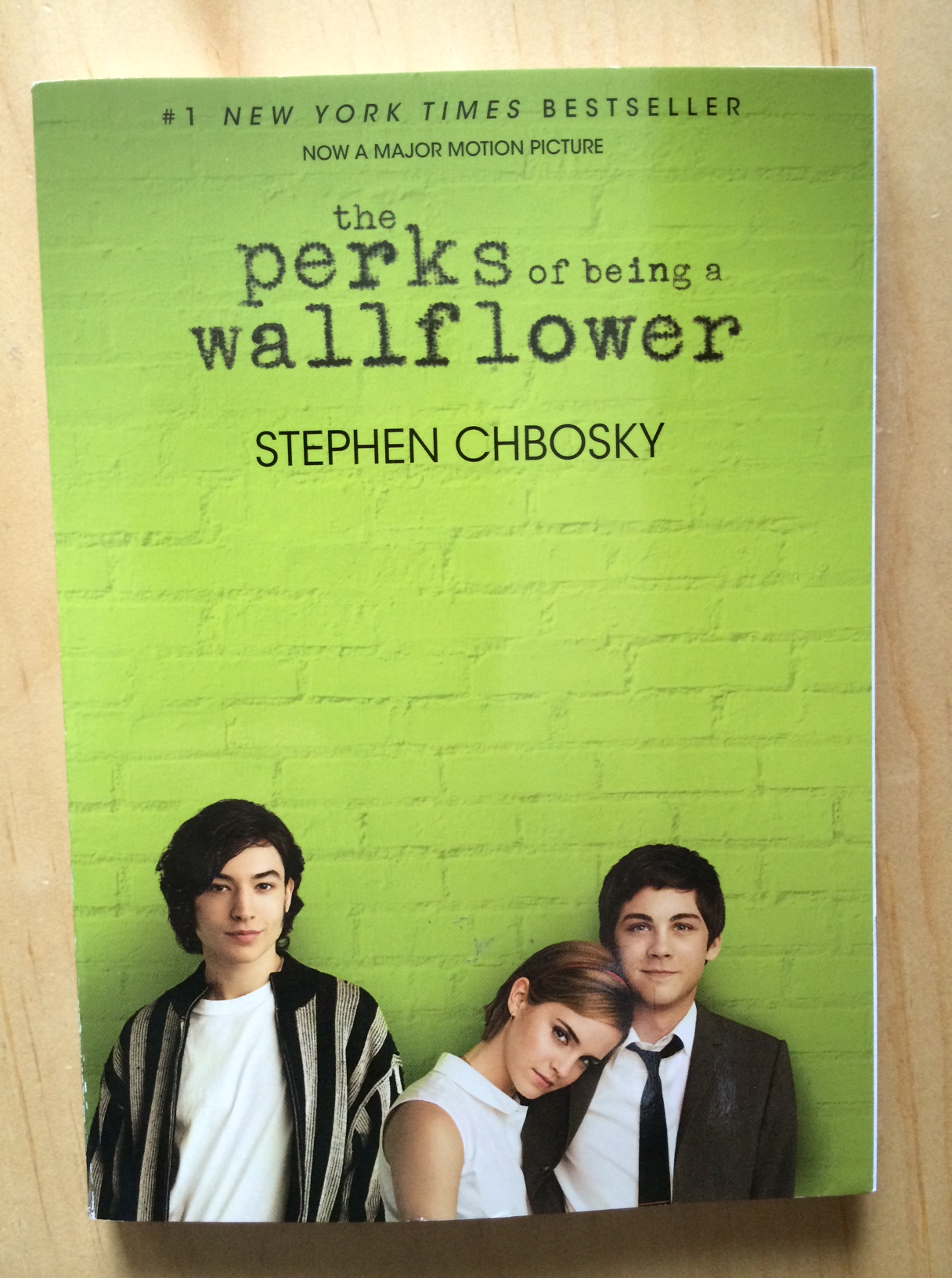
I wish my high school’s sophomore English class had included this book in the curriculum instead of The Catcher in the Rye, but I suppose there are about ten reason that would never have happened (including the fact that The Perks of Being a Wallflower came out the same year that I started the tenth grade, so not a lot of vetting time there . . .). Charlie is far and away more interesting and less self-centered than Holden Caulfield; he’s a gifted, introverted teenager who befriends some of his high school’s gloriously interesting misfits during his freshman year. Life lessons ensue, as they tend to do in bildungsroman. I loved the book’s emphasis on compassion; it’s the kind of YA novel I’m going to leave on the shelf in the hope that my son will pick it up someday and find it useful. Bonus: It’s an epistolary novel.

photo 3Barracuda*, by Christos Tsiolkas

Perfect for: Anyone who needs to get out of a reading rut.

I was surprised by how much I enjoyed this novel. It might sound strange, but it’s incredibly refreshing to read a book that’s about rage, which seems to be Danny Kelly’s primary emotion. Danny is an teenage Australian swimmer who dreams of making it to the Olympics; thankfully, there’s no swelling inspirational music in this tightly-plotted, intricately structured novel. Danny is almost totally unlikable, but so utterly fascinating that it doesn’t matter. Rage isn’t a primary emotion; it’s a symptom of the mess of feelings roiling beneath the surface. Mr. Tsiolkas brings those feelings to brilliant life.  I’m not Australian, and the look into modern Australian culture in this novel was a real eye-opener. No koalas, no kangaroos.

photo 1 (1)Em and the Big Hoom**, by Jerry Pinto

Perfect for: Anyone looking for a novel off the beaten path.

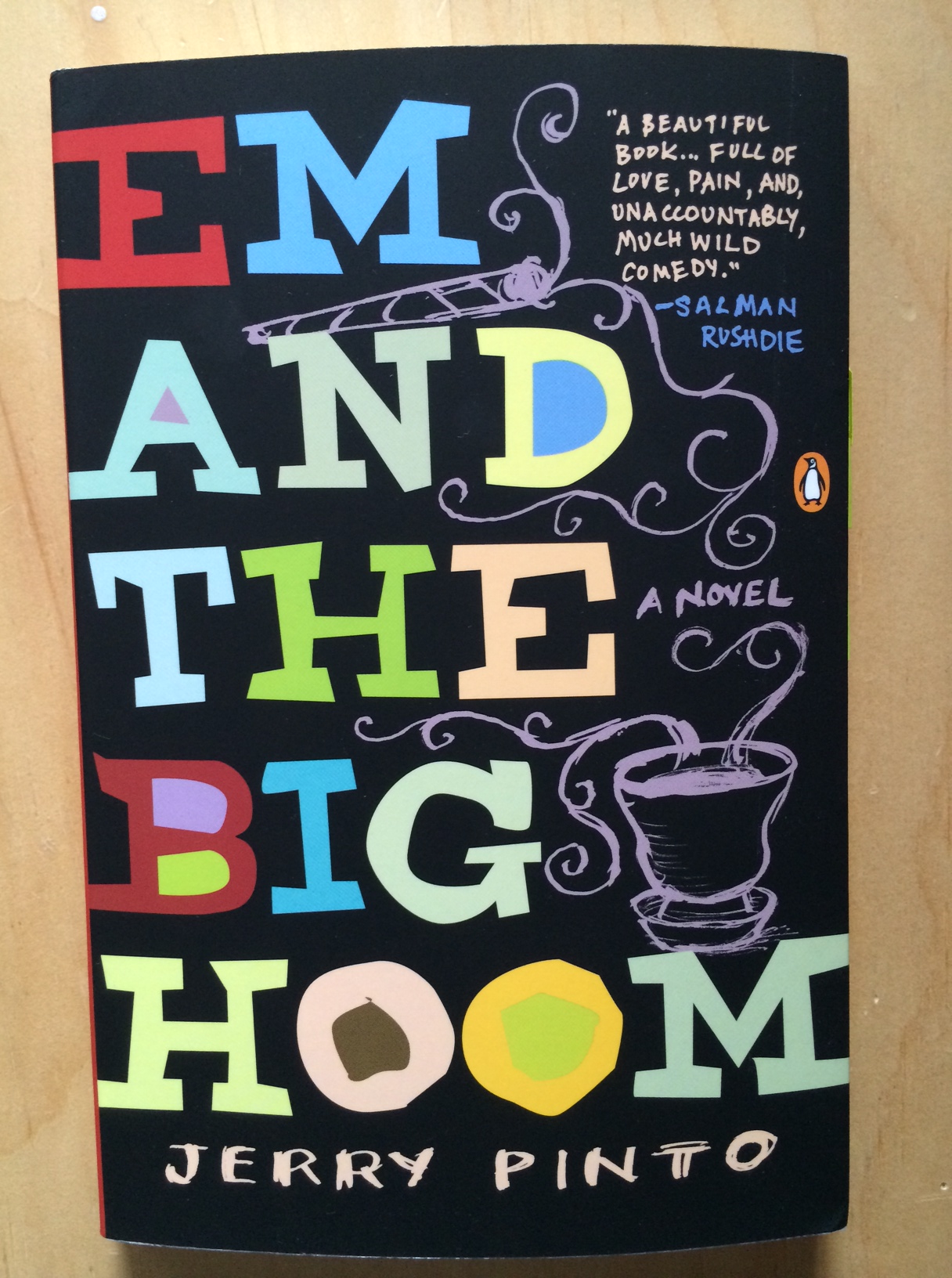
Published in the U.S. this year, Jerry Pinto’s Em and the Big Hoom is a moving, raw, funny, and tender portrait of a family in crisis, set in modern Bombay. Mr. Pinto uses dialogue, interviews, stories, and anecdotes to create a collage-like portrait of Em, who suffers from bipolar disorder, her husband the Big Hoom, and their children. Em’s shifting moods and crippling depressions leave the family on edge, and the novel is framed as her son’s attempt to understand his mother’s mind. The dialogue is absolutely brilliant, and I kept marking passages to return to later– at least fifty in a very slim volume. Jerry Pinto isn’t as well known here as he should be, and I hope that changes soon.

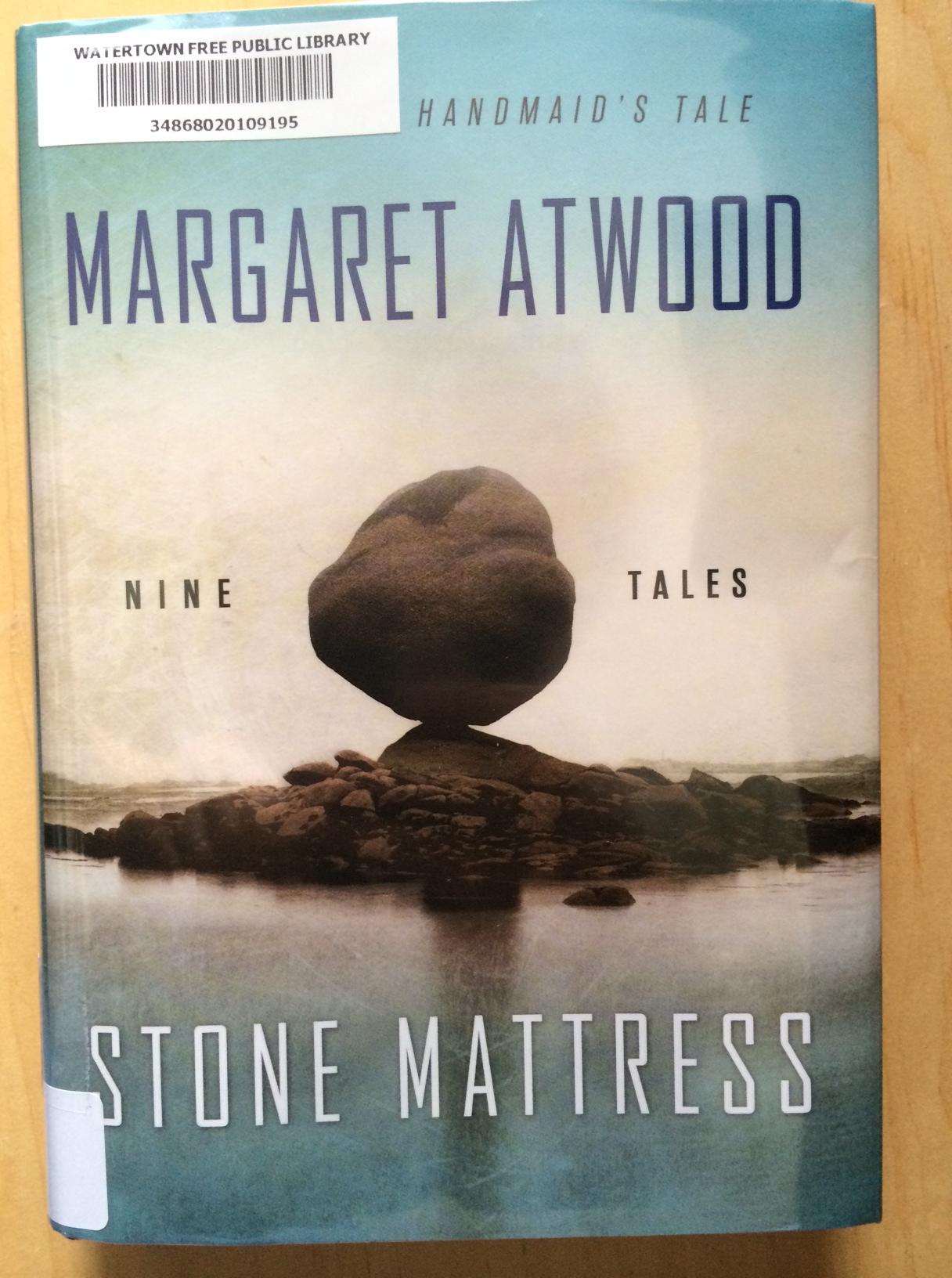
photo 4Stone Mattress: Nine Tales, by Margaret Atwood

Perfect for: Anyone.***

Margaret Atwood. Short stories almost entirely about older people. Killer last lines. Need I say more?


*I received this book through LibraryThing’s Early Reviewers program, which did not affect the content of my review.

** I received a copy of this book from the publisher for review purposes, which did not affect the content of my review.

*** Okay, not kids.